LA PERDITA DI PESO IN UN CORNISTA, COSA CAMBIA? GIUSEPPE BARIONE CI RACCONTA LA SUA ESPERIENZA - WEIGHT LOSS IN A HORN PLAYER: WHAT DOES IT MEAN? GIUSEPPE BARIONE TELLS US ABOUT HIS EXPERIENCE.

Dietro il Suono: La Grande Trasformazione di Giuseppe Barione
Cosa succede quando lo strumento con cui hai condiviso anni di studio, successi e fatica diventa improvvisamente un corpo estraneo? Suonare il corno è una complessa architettura fatta di equilibrio, pressione dell'aria, prontezza muscolare e memoria posturale. Ma quando la fisionomia di un musicista cambia radicalmente, anche quell'equilibrio perfetto rischia di spezzarsi, costringendo a rimettere tutto in discussione.
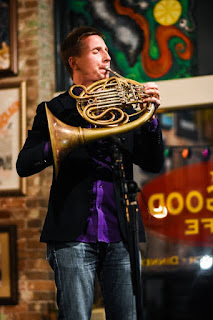
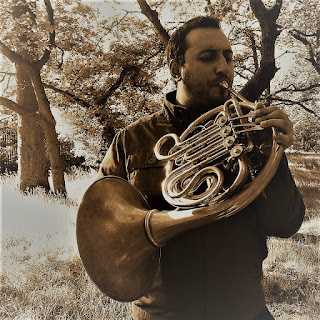
In questa intervista esclusiva per French Horn Magazine, incontriamo il cornista Giuseppe Barione, protagonista di un percorso umano e professionale straordinario. A seguito di un importante percorso di salute, Giuseppe ha affrontato una perdita di peso radicale — oltre 60 chili — che ha trasformato non solo la sua vita, ma anche il suo intero approccio allo strumento.
Con estrema onestà e generosità, Barione ci racconta i momenti più complessi di questa transizione: dalle prime, inaspettate difficoltà sul registro acuto e nella gestione del fiato , fino ai problemi posturali legati al cambiamento fisico. Ci parla della frustrazione di non riuscire a essere performante in orchestra , del timore di aver perso per sempre il proprio livello , ma anche della fondamentale solidarietà dei colleghi e del supporto mirato dei maestri Donato Semeraro e Nilo Caracristi , decisivi nel guidarlo verso una ritrovata efficienza e un'emissione più rilassata.
Quella di Giuseppe Barione non è solo la storia di una metamorfosi fisica, ma un prezioso trattato di consapevolezza cornistica e resilienza mentale. Una testimonianza fondamentale per chiunque si trovi ad affrontare un cambiamento e la dimostrazione che, con pazienza, metodo e coraggio, è sempre possibile riscoprirsi musicisti più completi.
Buona lettura.
D: L'inizio del cambiamento: Quando hai intrapreso il percorso di dimagrimento, eri consapevole che una variazione così significativa della massa corporea potesse influire sulla tua gestione dello strumento?
R: Personalmente no. Quando ho iniziato a perdere i primi kg non mi sono subito reso conto del cambiamento e, visto che la perdita dei primi 10-15 kg (piccola precisazione, alla fine del percorso i kg persi sono più di 60, quindi si parla di una grande trasformazione) è coinciso con un periodo in cui non potevo studiare per motivi medici, ho dato la "colpa" del mio calo alla forma persa. Successivamente, vedendo che il mio corpo non rispondeva nonostante la costanza e le varie ore di studio, ho iniziato a fare due più due.
D: Il supporto pneumatico: Il corno richiede un controllo diaframmatico e una gestione della pressione dell'aria estremamente specifici. Qual è stata la prima sensazione di "vuoto" o di "diversità" che hai provato nel soffiare nello strumento dopo aver perso peso?
R: Penso che suonare il corno sia una questione di equilibrio tra supporto, pressione dell'aria, quantità di aria emessa e prontezza muscolare. Una volta perso peso ho notato che mantenere una certa pressione di emissione era diventato estremamente faticoso; inoltre anche la gestione dell'aria è diventata complicata da gestire perché perdendo molto peso ho cambiato anche leggermente postura. È stata una ricerca continua ed è stato necessario mettere in discussione tutto quello che fino ad allora avevo fatto in maniera spontanea.
D: Il supporto muscolare: Hai notato un cambiamento nella postura o nella capacità di utilizzare i muscoli addominali e dorsali necessari a mantenere la colonna d'aria stabile?
R: All'inizio, vedendo che sul registro acuto avevo difficoltà, ho iniziato ad abusare del supporto muscolare. Tale azione mi ha portato anche a limitare la mia resistenza. Il supporto muscolare c'era ma non era supportato dall'aria. Riguardo la postura la perdita di peso mi ha portato, principalmente da seduto, ad incurvarmi leggermente in avanti, limitando la mia possibilità di inspirazione ed aumentando malevolmente la compressione a livello addominale.
D: L'impatto sul set-up: La perdita di peso influisce spesso anche sulla conformazione dei tessuti molli attorno alla bocca. Hai dovuto modificare qualcosa nel tuo embouchure o nella pressione del bocchino per compensare i cambiamenti anatomici del viso?
R: Onestamente non ho notato alcuna differenza da questo punto di vista. Sentivo il bocchino sempre uguale "sulle labbra" ma ho dovuto ricercare un bocchino più alto per compensare il fatto che avessi perso un po' di resistenza.
D: Il momento critico: C'è stato un momento specifico, durante un concerto o una sessione di studio, in cui hai temuto che questa trasformazione fisica potesse mettere a rischio la tua carriera o la tua qualità esecutiva?
R: Assolutamente sì. Ricordo che nel periodo peggiore stavo lavorando in orchestra come assistente e più volte mi è capitato di non riuscire ad essere performante. Ricordo in quel periodo di essermi chiesto se sarei mai riuscito a ritornare ad i livelli a cui ero abituato. Ne approfitto per ringraziare pubblicamente i colleghi con i quali ho suonato in quel periodo che hanno compreso la mia difficoltà e "perdonato" più di quanto di solito si fa.
D: Ricerca di un nuovo equilibrio: Quali esercizi specifici o routine di studio hai dovuto adottare per "ri-imparare" a suonare il tuo strumento con un corpo cambiato?
R: Le mie difficoltà erano principalmente sul registro acuto e devo ringraziare i miei due docenti del periodo, Donato Semeraro e Nilo Caracristi. Il primo mi ha aiutato a lavorare su quel registro in maniera ragionata e sistematica, riguadagnando il registro lavorando su intervalli di tono e semitono, partendo dal legato così da curare l'emissione; il secondo, invece, mi ha aiutato a far mio il concetto per il quale, soprattutto nel registro acuto, la ricerca di un'emissione rilassata è più utile dell'aggrapparsi all'abuso del supporto muscolare.
D: La componente psicologica: Quanto ha inciso l'aspetto mentale? Sentire di suonare con un "corpo estraneo" rispetto a quello a cui eri abituato per anni ha creato frustrazione o è stato vissuto come una sfida stimolante?
R: Psicologicamente è stato difficile gestire il fatto che la mia testa andasse "più veloce" del mio corpo. Questo, però, mi ha portato a studiare con più criterio e avere piccoli risultati sin da subito mi ha aiutato a prendere coraggio e continuare sulla mia strada.
D: Il confronto con i colleghi: Hai trovato letteratura, consigli o supporto da parte di altri colleghi musicisti che hanno vissuto esperienze simili, o ti sei sentito un pioniere nell'affrontare questo tema?
R: Sinceramente ho vissuto una situazione di dualismo: da un lato quasi tutte le persone con le quali ho parlato mi hanno confermato che anche a loro fosse successo che il loro rapporto con il corno fosse cambiato in periodi di perdita di peso; dall'altro lato, però, nessuna delle persone con le quali ho parlato aveva perso i kg che avevo perso io e quindi la mia situazione risultava elevata all'ennesima potenza.
D: Oggi, a percorso concluso: Con la consapevolezza che hai ora, quali consigli daresti a un cornista che sta pianificando un importante cambiamento di stile di vita e di peso?
R: Oggi, allo stato attuale, l'unica cosa che posso consigliare a chiunque stia pensando di cambiare la propria vita è: abbiate coraggio. Non c'è NULLA di più importante della salute e nessuno disimpara qualcosa in maniera permanente, basta solo avere la pazienza di trovare un'altra maniera di approcciarsi allo strumento.
D: La prospettiva artistica: Al netto delle difficoltà tecniche iniziali, credi che il nuovo "assetto" fisico abbia portato, col tempo, a una diversa consapevolezza sonora o a una maggiore libertà espressiva nel tuo modo di suonare?
R: Io sento di essere cresciuto sia musicalmente che dal punto di vista della consapevolezza cornistica. Questo cambiamento mi ha obbligato a cambiare metodo di studio e, come effetto "collaterale" positivo, quanto successo mi ha obbligato a concentrarmi sui miei difetti e sugli aspetti cornistici che non avevo ancora curato al meglio. Attualmente sento di essere un cornista più completo rispetto a quello che sarei potuto essere se non avessi affrontato questa sfida.
Ringraziamo di cuore Giuseppe Barione per la straordinaria generosità e l'onestà con cui si è raccontato sulle nostre pagine.
Nel mondo della musica classica e degli ottoni, parlare così apertamente delle proprie fragilità, delle crisi fisiche e dei momenti di buio professionale richiede un grandissimo coraggio. Condividere un percorso così intimo e complesso non è da tutti: Giuseppe ha scelto di farlo abbattendo i tabù legati al corpo e alla performance, offrendo a tutta la comunità cornistica una testimonianza preziosa, un faro di speranza e una lezione di autentica resilienza.
A lui va la nostra profonda stima come musicista e come persona, con l'augurio di una carriera sempre più ricca di questa nuova, straordinaria consapevolezza. Grazie, Giuseppe.
IN ENGLISH
WEIGHT LOSS IN A HORN PLAYER: WHAT DOES IT MEAN?
GIUSEPPE BARIONE TELLS US ABOUT HIS EXPERIENCE.
Behind the Sound: The Great Transformation of Giuseppe Barione
What happens when the instrument with which you have shared years of study, success, and hard work suddenly feels like a foreign object? Playing the French horn is a complex architecture made of balance, air pressure, muscular readiness, and postural memory. But when a musician's physique changes radically, even that perfect balance risks breaking, forcing them to question everything.
In this exclusive interview for French Horn Magazine, we meet horn player Giuseppe Barione, the protagonist of an extraordinary personal and professional journey. Following a major health journey, Giuseppe underwent a radical weight loss — over 60 kilos (130+ lbs) — which transformed not only his life, but also his entire approach to the instrument.
With extreme honesty and generosity, Barione tells us about the most complex moments of this transition: from the first, unexpected difficulties in the high register and breath management, to the postural issues related to his physical change. He speaks of the frustration of not being able to perform at his best in the orchestra, the fear of having lost his level forever, but also the fundamental solidarity of his colleagues and the targeted support of masters Donato Semeraro and Nilo Caracristi, who were decisive in guiding him toward a rediscovered efficiency and a more relaxed airflow.
Giuseppe Barione's story is not just one of physical metamorphosis, but a precious treatise on horn awareness and mental resilience. A fundamental testimony for anyone facing change, and proof that with patience, method, and courage, it is always possible to rediscover oneself as a more complete musician.
Enjoy the reading.
***
Q: The beginning of the change: When you undertook your weight loss journey, were you aware that such a significant change in body mass could affect your management of the instrument?
A: Personally, no. When I started losing the first few kilograms, I didn't notice the change right away. Since losing the first 10-15 kg coincided with a period when I couldn't practice for medical reasons, I blamed my decline on being out of shape. Later, seeing that my body was not responding despite my consistency and hours of practice, I started to put two and two together. (Just a quick clarification: by the end of the journey, the total weight lost was over 60 kg, so we are indeed talking about a major transformation).
Q: Breath support: The French horn requires extremely specific diaphragmatic control and air pressure management. What was the first sensation of 'emptiness' or 'difference' you felt when blowing into the instrument after losing weight?
A: I think playing the horn is a matter of balance between support, air pressure, the amount of air released, and muscular readiness. Once I lost weight, I noticed that maintaining a certain air pressure had become extremely tiring; furthermore, breath management also became complicated because, by losing a lot of weight, I also slightly changed my posture. It was a continuous search, and it became necessary to question everything I had done spontaneously until then.
Q: Muscular support: Did you notice a change in your posture or in your ability to use the abdominal and back muscles necessary to keep the air column stable?
A: In the beginning, seeing that I was having difficulty in the high register, I started to overuse muscular support. This action also ended up limiting my endurance. The muscular support was there, but it wasn't backed by the air. Regarding posture, the weight loss caused me—especially when seated—to slouch slightly forward, limiting my inhalation capacity and negatively increasing compression at the abdominal level.
Q: The impact on the set-up: Weight loss often affects the shape of the soft tissues around the mouth. Did you have to change anything in your embouchure or mouthpiece pressure to compensate for the anatomical changes in your face?
A: Honestly, I didn't notice any difference from that point of view. The mouthpiece felt exactly the same 'on my lips,' but I had to look for a mouthpiece with a deeper cup (or higher rim/different profile) to compensate for the fact that I had lost some endurance.
Q: The critical moment: Was there a specific moment, during a concert or a practice session, when you feared that this physical transformation could jeopardize your career or the quality of your performance?
A: Absolutely, yes. I remember that during the worst period, I was working in an orchestra as an assistant, and there were several times when I just couldn't deliver a good performance. I remember asking myself during that time if I would ever be able to return to the levels I was used to. I want to take this opportunity to publicly thank the colleagues I played with during that period, who understood my difficulty and 'forgave' me much more than what is usually tolerated.
Q: Searching for a new balance: What specific exercises or practice routines did you have to adopt to 're-learn' how to play your instrument with a changed body?
A: My difficulties were mainly in the high register, and I must thank my two teachers from that period, Donato Semeraro and Nilo Caracristi. The former helped me work on that register in a reasoned and systematic way, reclaiming the register by working on whole-step and half-step intervals, starting from legato to take care of the airflow and tone production. The latter, on the other hand, helped me internalize the concept that, especially in the high register, seeking a relaxed airflow is more useful than clinging to the overuse of muscular support.
Q: The psychological component: How much did the mental aspect play a role? Did feeling like you were playing with a 'foreign body' compared to the one you were used to for years create frustration, or was it experienced as an exciting challenge?
A: Psychologically, it was difficult to manage the fact that my mind was moving 'faster' than my body. This, however, led me to practice with more criteria, and getting small results right from the start helped me take heart and keep going on my path.
Q: Comparison with peers: Did you find any literature, advice, or support from other fellow musicians who had gone through similar experiences, or did you feel like a pioneer in tackling this topic?
A: Honestly, I experienced a sort of dualism. On one hand, almost everyone I spoke to confirmed that their relationship with the horn had also changed during periods of weight loss. On the other hand, however, none of the people I talked to had lost as many kilograms as I had, so my situation felt elevated to the nth degree.
Q: Today, with the journey completed: With the awareness you have now, what advice would you give to a horn player who is planning a major lifestyle and weight change?
A: Today, as things stand, the only advice I can give to anyone thinking about changing their life is: have courage. There is NOTHING more important than health, and no one permanently unlearns how to do something; you just need to have the patience to find another way to approach the instrument.
Q: The artistic perspective: Net of the initial technical difficulties, do you believe that the new physical 'set-up' has brought, over time, a different acoustic awareness or greater expressive freedom to your playing?
A: I feel I have grown both musically and in terms of horn-playing awareness. This change forced me to alter my practice methods, and as a positive 'side effect,' what happened forced me to focus on my flaws and on aspects of my horn playing that I hadn't fully refined yet. Currently, I feel I am a more complete horn player than I ever could have been if I hadn't faced this challenge.
***
We warmly thank Giuseppe Barione for the extraordinary generosity and honesty with which he shared his story on our pages.
In the world of classical music and brass playing, speaking so openly about one's vulnerabilities, physical crises, and moments of professional darkness requires immense courage. Sharing such an intimate and complex journey is not for everyone: Giuseppe chose to do so by breaking down the taboos surrounding the body and performance, offering the entire horn community a precious testimony, a beacon of hope, and a lesson in authentic resilience.
He has our deepest respect as a musician and as a person, along with our best wishes for a career increasingly rich in this new, extraordinary awareness. Thank you, Giuseppe.





Commenti
Posta un commento